Seven Themes of Catholic Social Teaching #5: The Dignity of Work and the Rights of Workers
The economy must serve people, not the other way around. Work is more than a way to make a living; it is a form of continuing participation in God’s creation. If the dignity of work is to be protected, then the basic rights of workers must be respected – the right to productive work, to decent and fair wages, to the organization and joining of unions, to private property, and to economic initiative.
From Pope Francis in Laudato Sí:
Work should be the setting for this rich personal growth, where many aspects of life enter into play: creativity, planning for the future, developing our talents, living out our values, relating to others, giving glory to God. It follows that, in the reality of today’s global society, it is essential that “we continue to prioritize the goal of access to steady employment for everyone,” no matter the limited interests of business and dubious economic reasoning. We were created with a vocation to work. The goal should not be that technological progress increasingly replaces human work, for this would be detrimental to humanity. Work is a necessity, part of the meaning of life on this earth, a path to growth, human development and fulfillment.
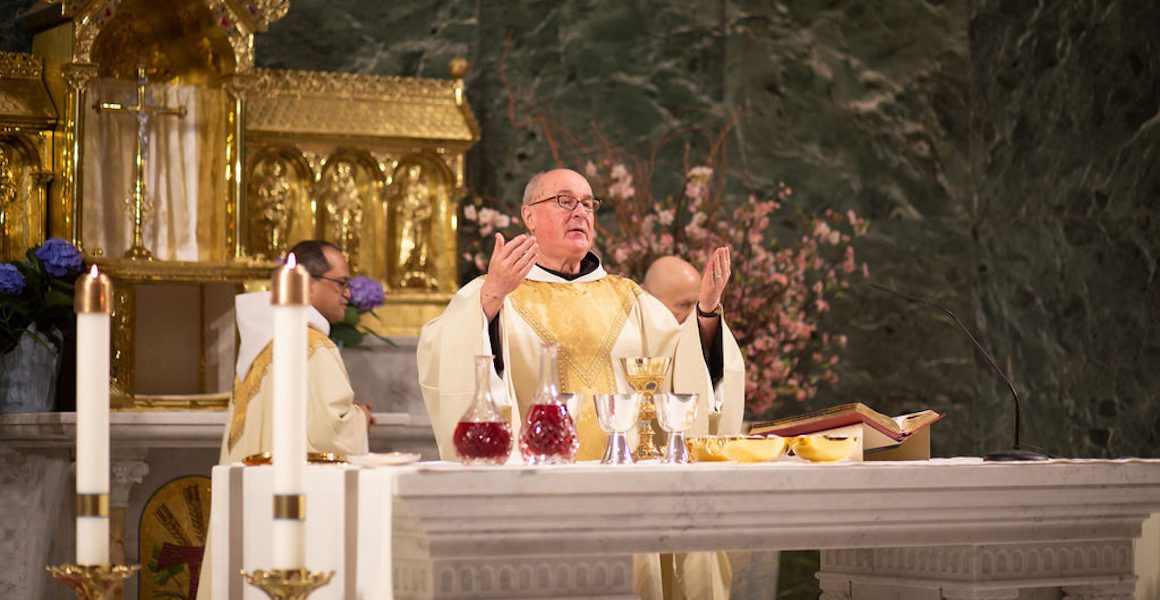
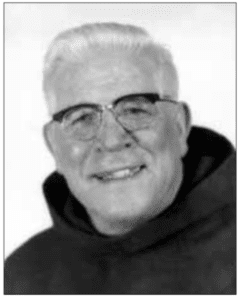 Fr. Capistran Petrie moved to Buffalo, NY where he served as pastor of St. Patrick’s Church, and later served as the Commissary Provincial of the Commissariat of St. John Capistran, headquartered in Roebling, NJ. Fr. Lucian Gallagher, former Commissary Provincial of the Third Order Franciscans, was named guardian and pastor of St. Francis of Assisi Friary and Church during the Provincial Chapter of 1943. Immediately he formulated a program for the celebration of the centenary of the church which would be observed in 1944.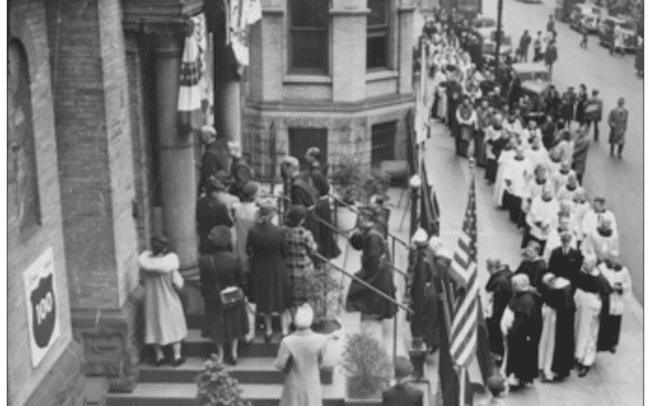
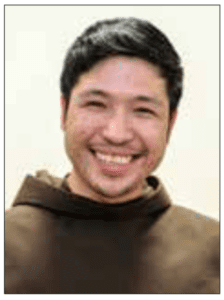 Fr. Michael Reyes, O.F.M. will present reflections on Evangelizing in Today’s World.
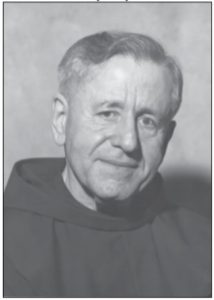 Fr. Capistran enlarged the parlor facilities to develop the ministry of pastoral counselling. He also introduced Friday devotions in honor of Our Lady of Sorrows, bringing three Servite Fathers from Chicago to begin the new devotion here. It was estimated that 30,000 people attended the 23 devotions offered on the first day. In the course of time, however, as the devotion was introduced into other New York churches, Fr. Capistran reduced the number of Friday services at St. Francis Church, and he initiated the popular and traditional devotion